
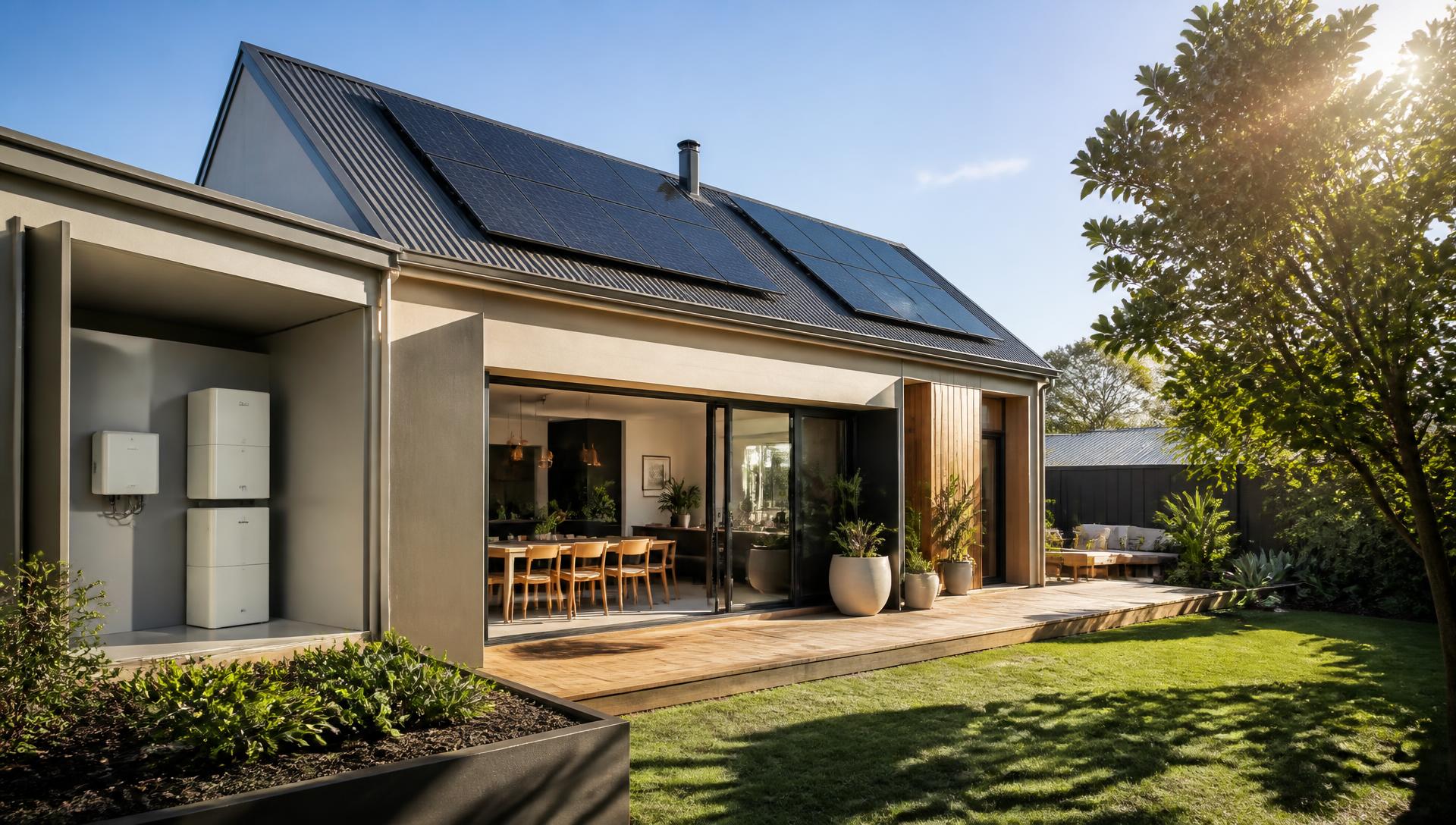
A common assumption is that a commercial solar system's size is determined by how many panels physically fit on the roof. In practice, roof area is rarely the binding constraint. Structural capacity, shading from rooftop plant and neighbouring buildings, and, most decisively, the electricity network's export approval process usually set the real ceiling on system size well before available roof space runs out. Understanding these constraints early avoids the common frustration of designing a large system on paper only to find it can't be connected as specified.
Structural assessment and roof loading
Commercial roofs vary enormously in their load-bearing capacity, from lightweight metal deck roofs on newer warehouses to older structures that may have limited additional capacity, particularly once existing rooftop plant, ductwork and access walkways are accounted for. A structural engineer's assessment, checking the roof's rated load capacity against the additional weight of panels, mounting rails and any ballast, is a standard early step in any sizeable commercial solar project, and can materially change the achievable system size or dictate mounting method (penetrative fixing versus ballasted systems).
Shading, plant and parapet constraints
Commercial roofs typically host HVAC condenser units, exhaust stacks, skylights, plumbing vents and sometimes lift overruns or parapet walls, all of which cast shadows that move throughout the day and across seasons. A proper shading analysis models these obstructions across a full year, not just a single site visit, because a shadow that's harmless at midday in summer can meaningfully clip production during winter mornings. Parapet height and setback requirements for maintenance access or fire safety can also reduce usable roof area independent of shading, and both factors need to be reflected in the layout before panel counts are finalised.
Network connection and export approval, the real ceiling
For most commercial sites, the binding constraint on system size is the electricity network's approval of the connection, particularly the maximum export capacity the network will allow at that specific site. Network capacity at a given connection point depends on the local feeder and transformer infrastructure, and larger commercial systems often require a formal network impact assessment before connection is approved, which can take longer and impose different conditions than a standard residential connection. This approval process should be initiated early, ideally in parallel with structural and shading assessments, because it can influence inverter sizing decisions that affect the whole system design.
Matching generation to operational load
A commercial system sized purely to maximise roof coverage can end up generating far more than the site consumes during the hours it operates, particularly for commercial clients that close on weekends or run reduced hours outside a core trading period. Because commercial export payments are often modest relative to the value of self-consumed solar, the more financially efficient design usually matches generation capacity to the site’s actual daytime operational load, rather than maximising total system size. This is a deliberate trade-off decision, not a default outcome, it needs to be discussed explicitly during system design.
Meter data comes before panel layout
The most reliable starting point for any commercial solar design is the site's interval meter data, ideally 12 months, to capture seasonal variation in both operating hours and load. This data reveals the site’s actual daytime consumption pattern, any demand charge exposure, and how much of a proposed system's output would likely be self-consumed versus exported. Starting the conversation with a roof measurement and a panel count, before this data has been reviewed, risks designing a system around the wrong constraint entirely.
In short, a commercial roof's solar capacity is rarely a simple area calculation. Structural, shading, network and operational-load constraints each play a role, and in most projects it's the network export approval and the site’s actual load profile, not the roof itself, that ultimately determine the right system size.
Run your own numbers
Commercial Solar ROI Calculator
Take what you've just read and model it against your own property, free, no details required.
This article is general information, not financial or electrical advice. Program rules and eligibility change, confirm current settings with the relevant scheme or your Esena engineer before making decisions. Last reviewed: August 2026.