
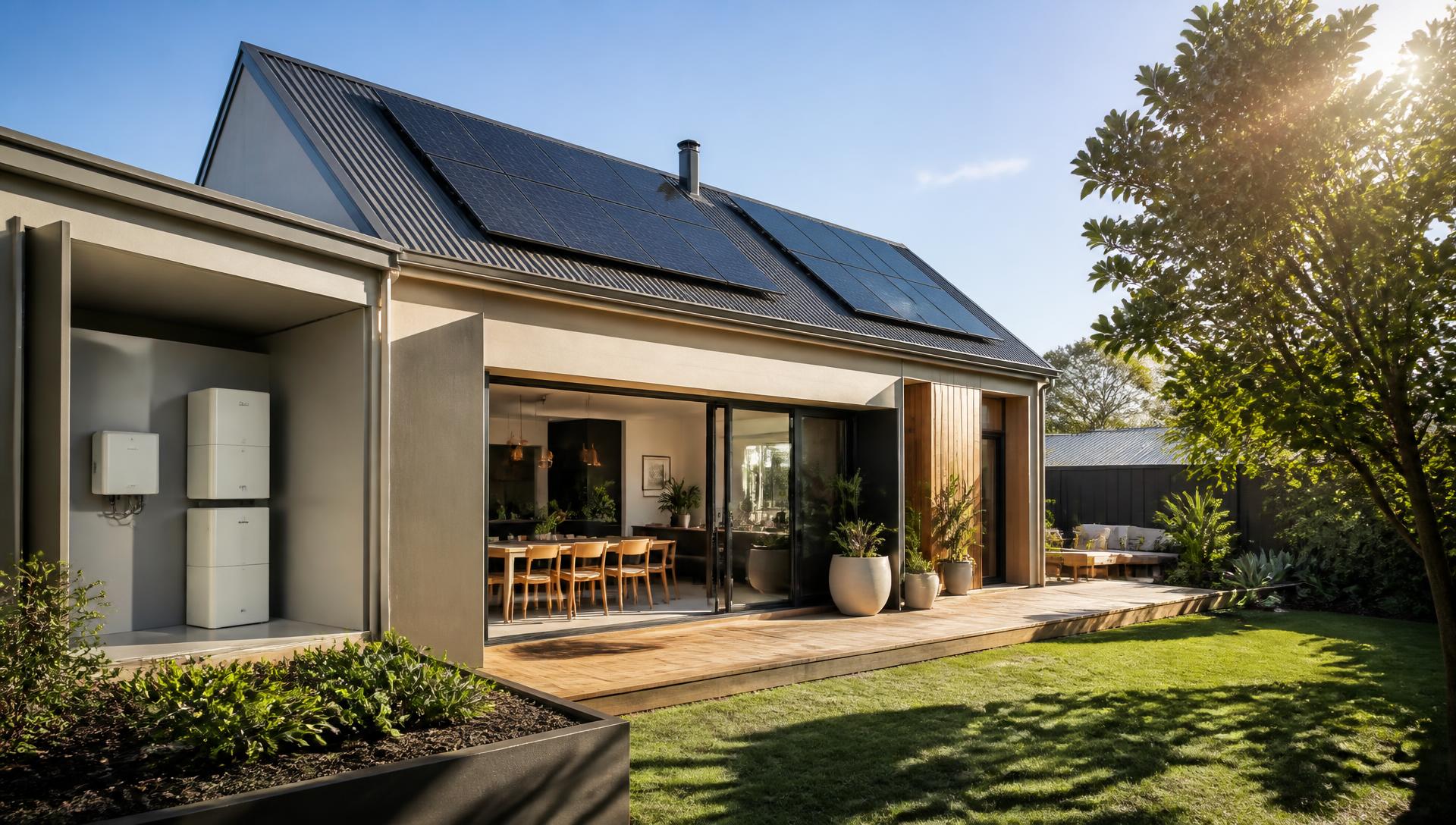
Strata buildings sit in an unusual position for solar and battery projects: the roof is common property shared by every lot owner, but the electricity consumption behind that roof is typically split between common-area services (lifts, lobby lighting, shared laundries, car park ventilation) and individually metered lot owner apartments. This split creates questions that simply don't arise for a standalone home, who benefits from the solar generated, how is that benefit distributed fairly, and who makes the decision to proceed at all. Getting clear on these questions early avoids a project stalling in committee.
Common property load versus lot owner metering
In most strata buildings, a solar system installed on the common-area roof most straightforwardly offsets common property electricity consumption, the load billed to the owners corporation, not individual lots, because that's the electricity account the system is typically connected to. Offsetting individual lot owner apartments' consumption directly is technically possible in some configurations but is considerably more complex, generally requiring an embedded network arrangement or individual sub-metering solutions that add cost and administrative overhead. Most strata solar projects therefore start by focusing on common property load reduction as the clearest, lowest-friction benefit.
Embedded networks in plain terms
An embedded network is an arrangement where a building has its own internal electricity network, bulk-purchasing electricity from the market and on-selling it to individual lots, rather than each lot having its own direct retail connection to the grid. Embedded networks can, in principle, allow solar generated on the roof to be shared more directly across lot owners, but setting one up (or retrofitting a building into one) is a significant undertaking involving metering infrastructure, retailer arrangements and regulatory compliance obligations. For most strata committees, understanding whether a building already operates as an embedded network, and what that means for how solar could be shared, is a necessary early step before assuming any particular distribution model is possible.
The governance path
Strata solar and battery projects typically need to progress through the building's formal decision-making process, this generally means discussion at committee level, a resolution at a general meeting, and in many cases a specific by-law or special resolution depending on the scope of works and the jurisdiction's strata legislation. This is a general governance description, not legal advice, and committees should confirm the specific approval pathway required for their building with their strata manager or a qualified strata lawyer, since requirements can differ depending on the type of works and the state the building is in.
NSW's BESS3 strata pathway
In NSW, battery energy storage system (BESS) activities under the Peak Demand Reduction Scheme (PDRS) include pathway settings relevant to strata and multi-unit buildings, reflecting the fact that battery installations in these buildings involve different metering and ownership considerations than a standalone home. As with all PDRS activities, the specific eligibility criteria and requirements for strata-context battery projects are reviewed periodically, and a committee considering a battery installation should confirm current settings with an accredited provider rather than relying on general information alone.
Start with a common-area energy audit
Because strata projects involve shared costs, shared decision-making and often shared scepticism from owners about a significant common-property spend, the most productive starting point is usually a straightforward common-area energy audit, reviewing common property meter data to understand the building's actual daytime load pattern, identifying which loads (lifts, pumps, lighting) are driving consumption, and using that data to size a proposal the committee can put to owners with a clear, evidence-based rationale rather than a general pitch.
Solar and battery projects can work well in strata settings, but the path there runs through metering clarity, an honest assessment of whether an embedded network changes what's possible, and the building's specific governance requirements, all of which should be worked through before a system is designed, not after.
Run your own numbers
NSW PDRS Battery Calculator
Take what you've just read and model it against your own property, free, no details required.
This article is general information, not financial or electrical advice. Program rules and eligibility change, confirm current settings with the relevant scheme or your Esena engineer before making decisions. Last reviewed: August 2026.